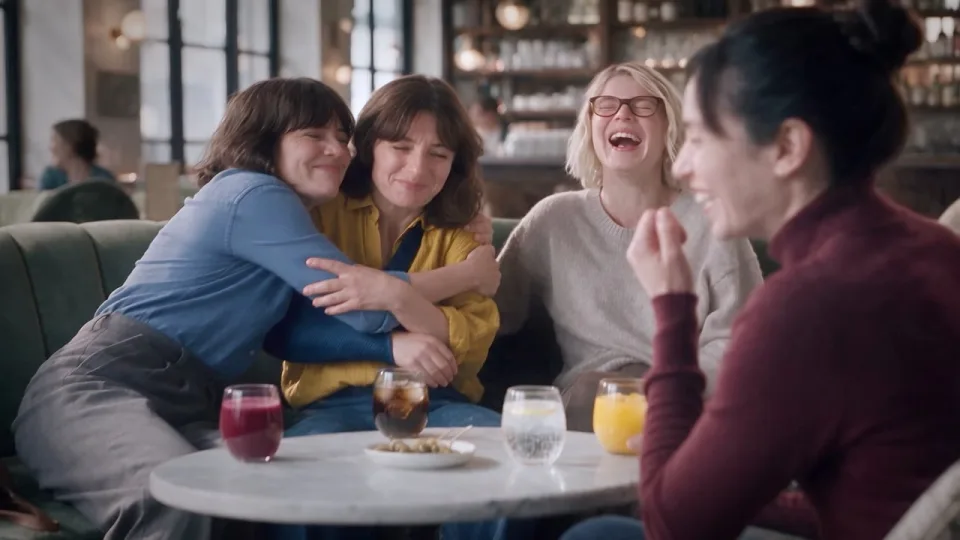
Aegon Vivimos la salud
Directed by Sonia Ramirez
Since 2025 generative AI has been part of how we produce: national campaigns, brand films and social content made entirely with AI or combined with live action. Since 2011, more than 600 campaigns for agencies and global brands.
Contains AI-generated footage
Directed by Sonia Ramirez
A national campaign made entirely with AI: three spots and ten large-format outdoor images, on connected TV, digital and a national bus circuit.
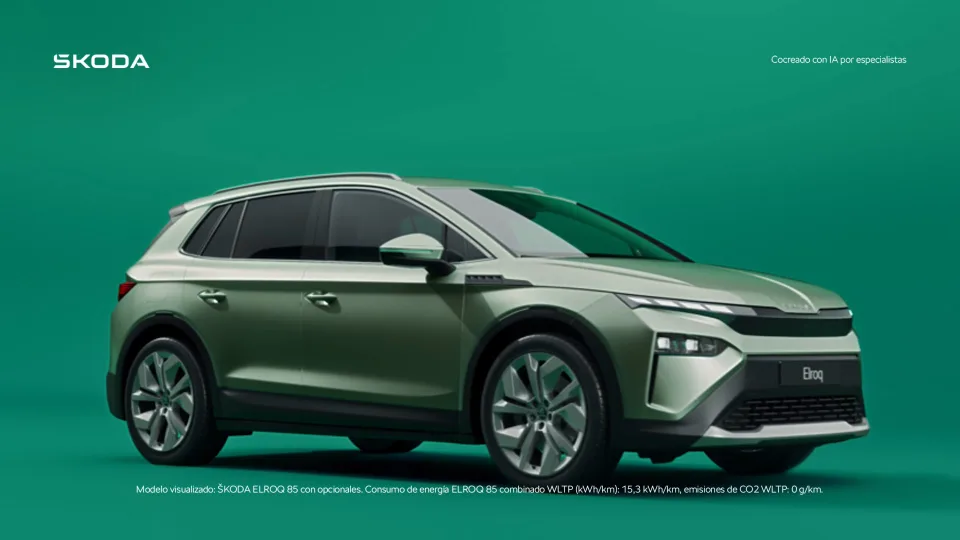
Directed by Mister Nitch
A brand film made 100% with generative AI for PS21: no shoot, a photoreal finish and a national multi-format launch in four weeks.
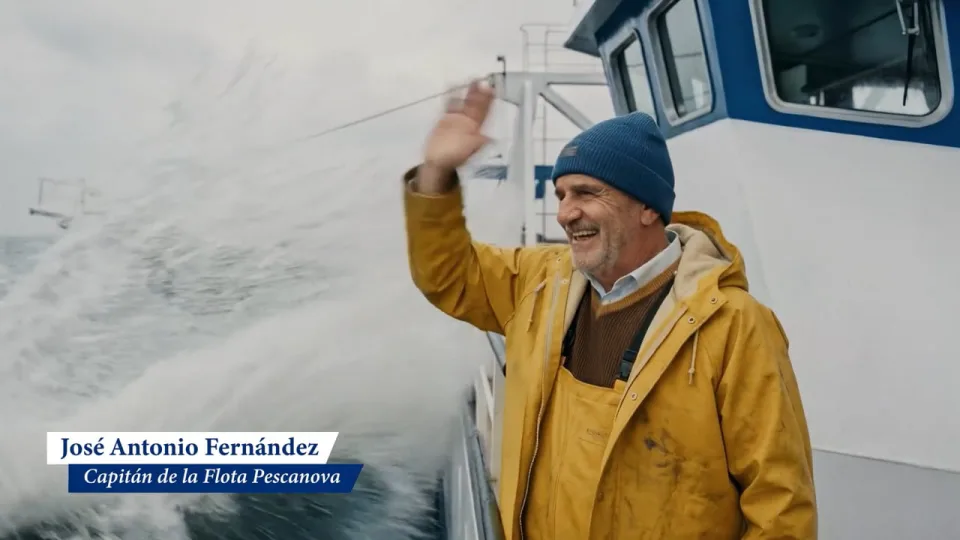
Directed by Javier M. Carrera
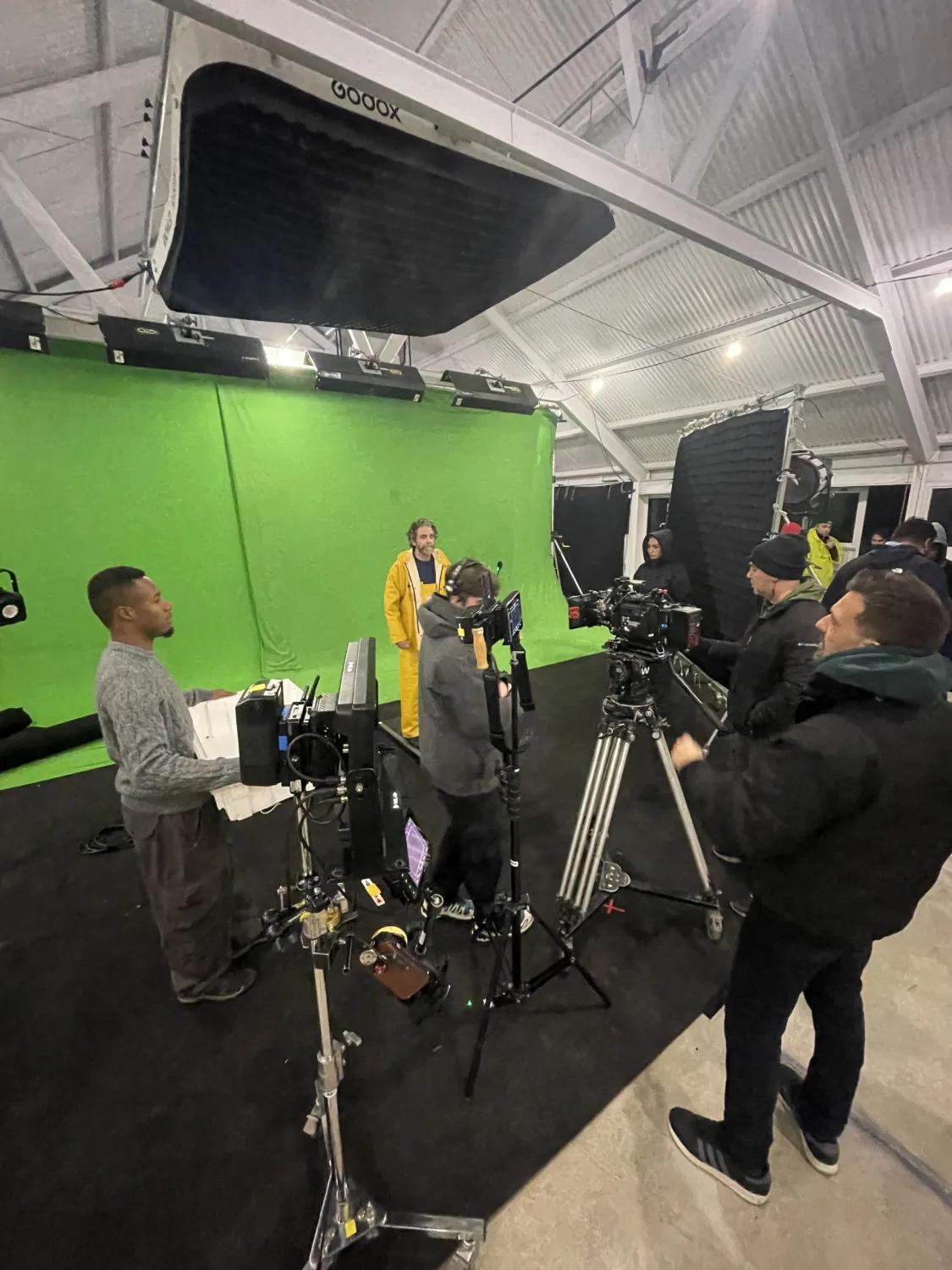
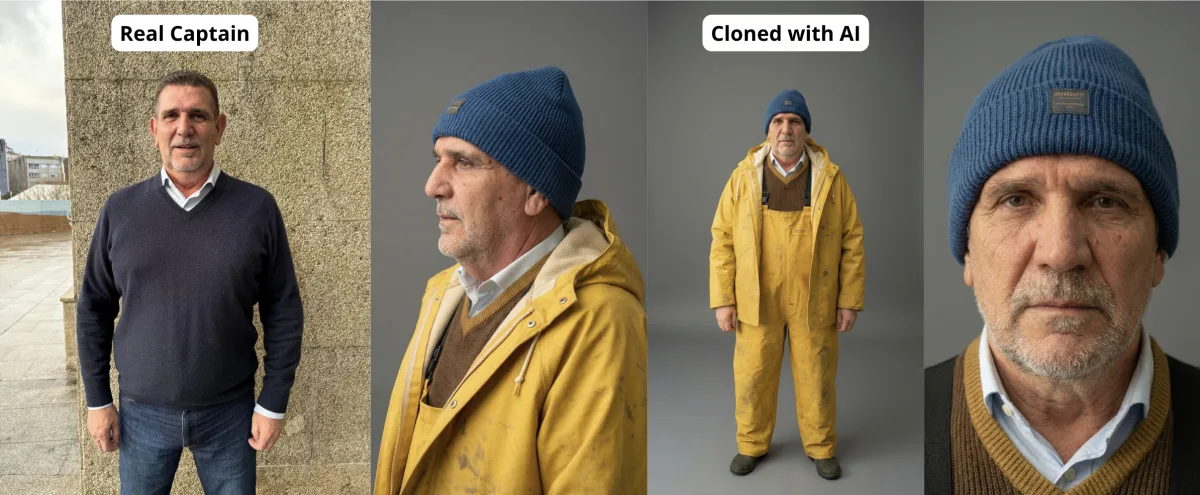
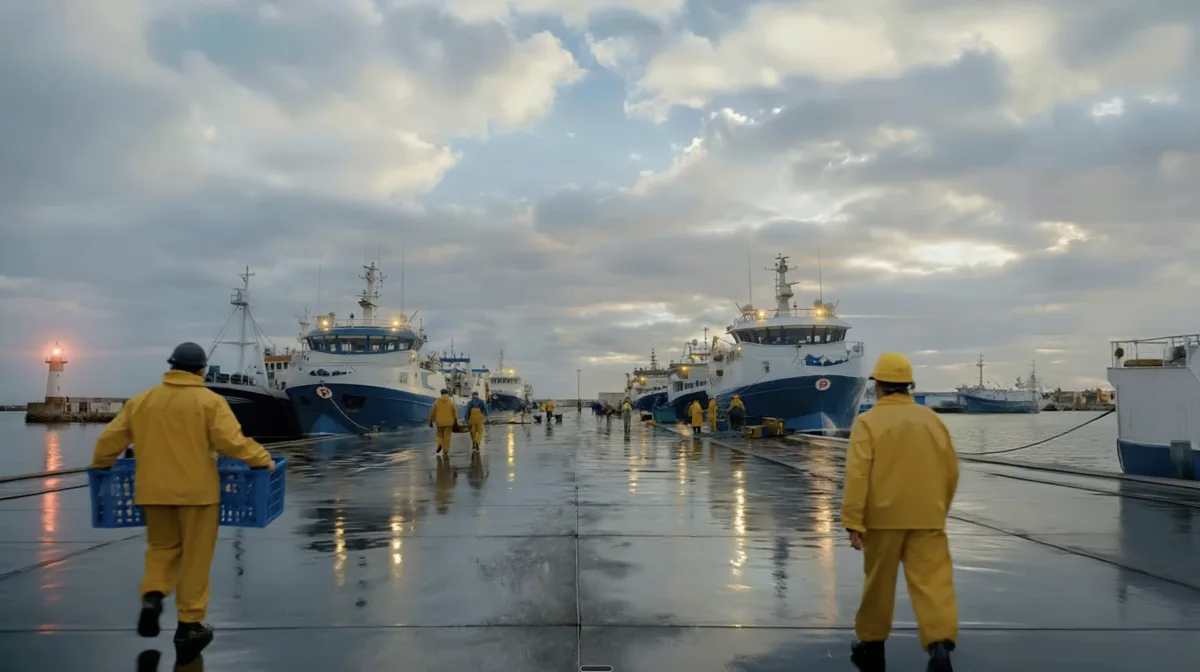
A hybrid spot shot in one day in Madrid: AI backgrounds of the real fleet and a real captain at sea, brought to screen from a single phone photo.
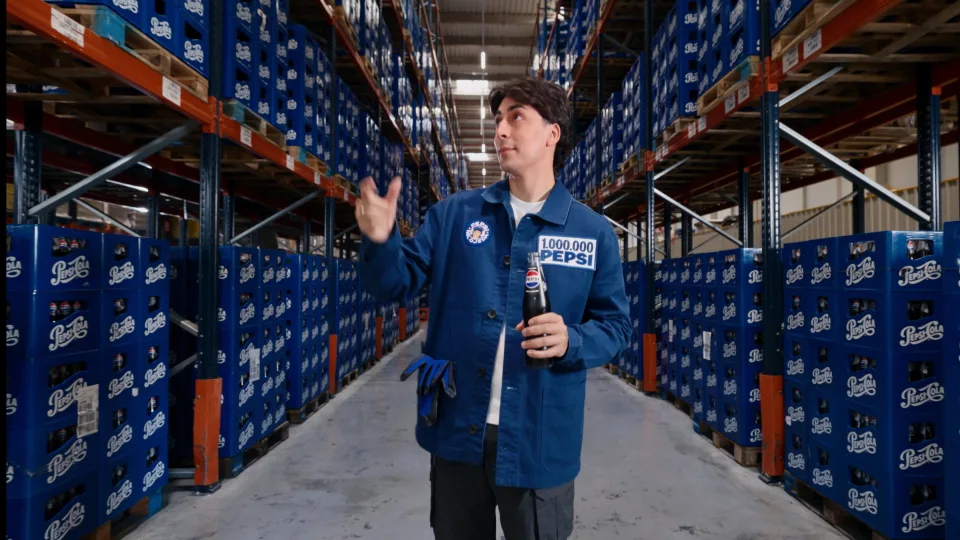
Directed by Javier Zarza
Live action inside a 24/7 logistics centre and our own AI system, for a 15-day challenge with one million bottles.
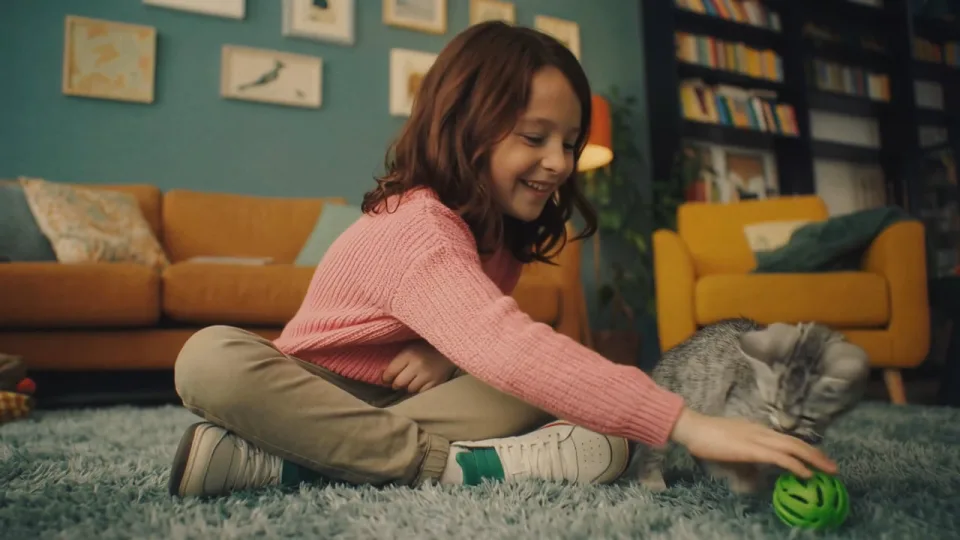
Directed by Miki Durán
Two dry food commercials turned into four broadcast-ready wet food spots with AI, without a single extra day of shooting.
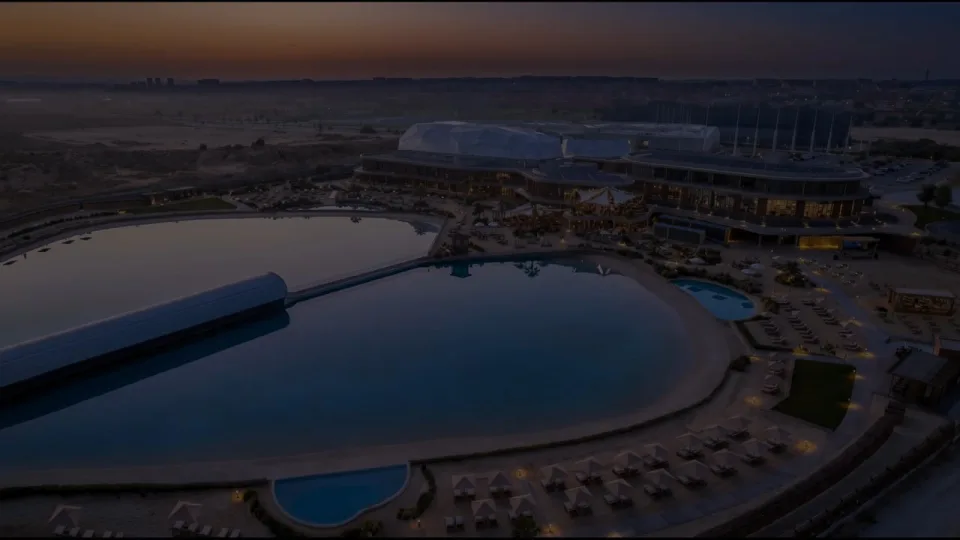
Directed by Yago de la Sotilla
A two-minute AI film of a surf destination still under construction, built from its real blueprints to win sponsors and partners.
Glassy Films is a hybrid production house in Barcelona and Madrid: advertising since 2011, generative AI since 2025. On every project we decide what gets shot on camera, what gets generated and what gets composited in post.
Full AI or hybrid, every AI project has a director, approvals before the first shot is generated, and editing, grading and sound, as in any shoot. Two examples, step by step:
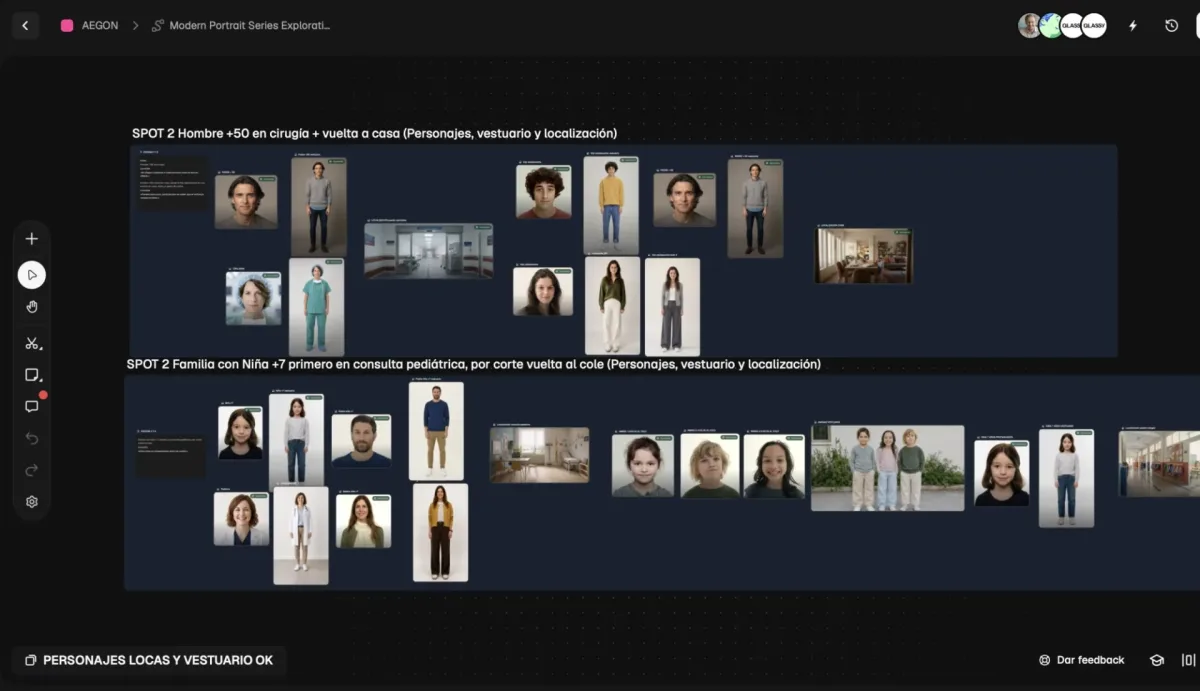
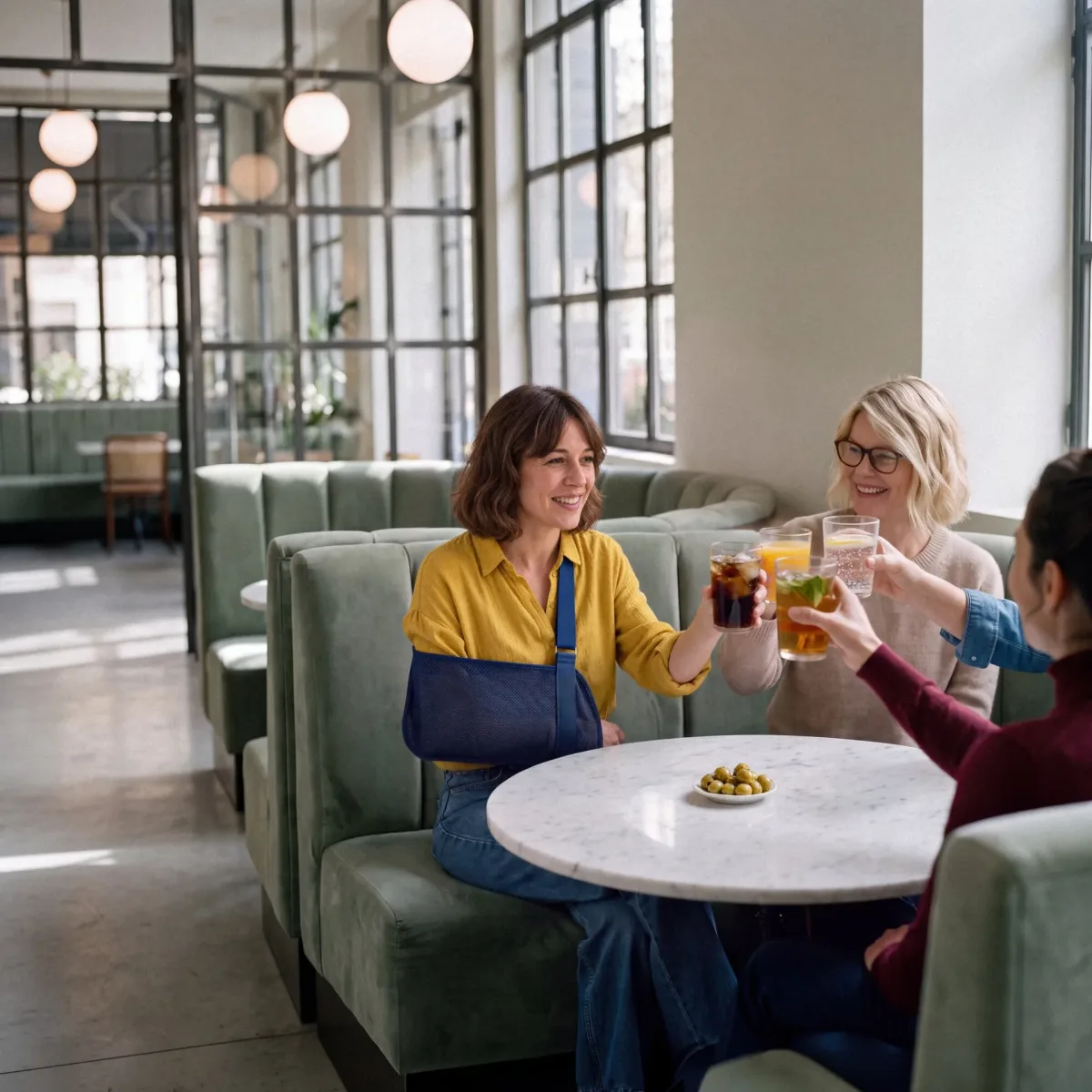
Every image generated, every decision human. Spots, brand films and campaigns with no shoot, directed, supervised and finished by our team, from the first approved character to the final mix.
We shoot what needs shooting and generate the rest. Real product, real people and real locations, with AI for the scale, the backgrounds and the shots no single shooting day delivers.
One capture session, the real person in digital. Hyper-realistic doubles for advertising, and the double only does what the person has approved.
One light shoot, multiplied with AI. Social content for growing consumer brands, video podcasts for brands, and Pulse Engine to decide with data what to produce.
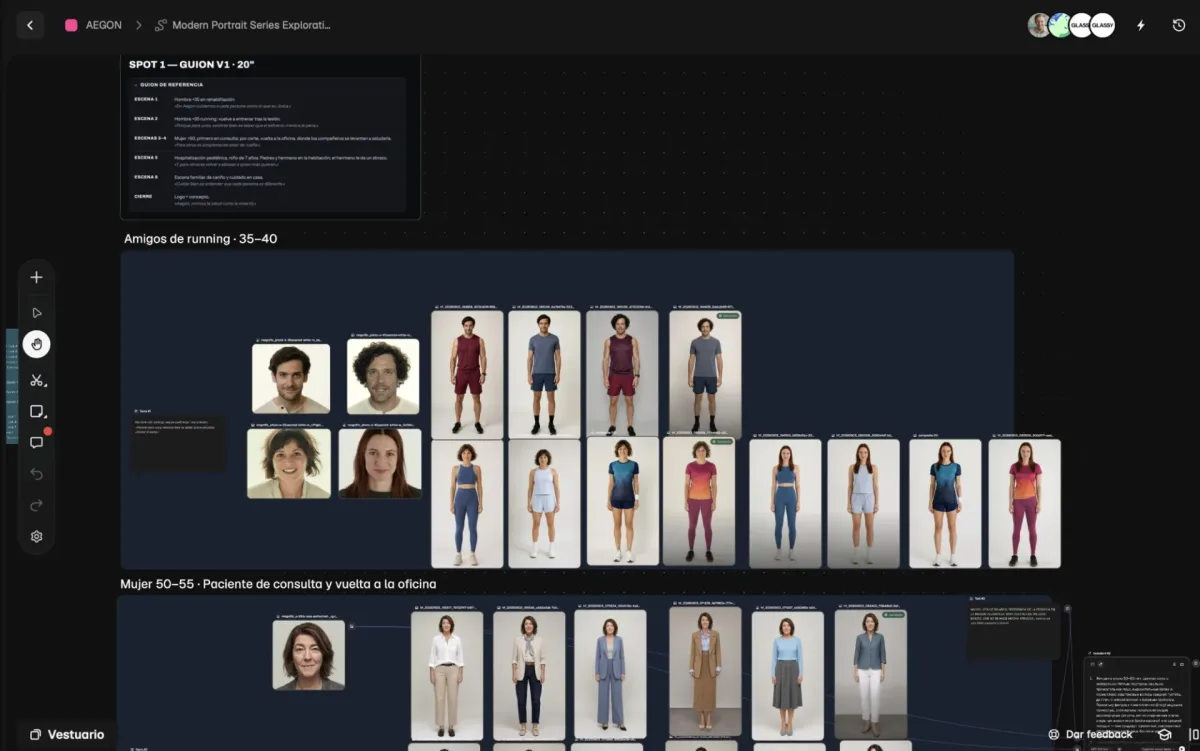
Characters, wardrobe and locations are cast and approved with the agency and the client before a single shot is generated. Then come direction, editing, grading and sound, as in any production.
There is no recipe. The brief decides what is shot on camera, what is generated and what is solved in post, and we settle it before production starts.
We follow the EU AI Act and keep our clients informed on every project. Everything made with AI is labelled, with Content Credentials (C2PA) and traceability.
Any client who asks gets full cover on AI-generated image, video, voice and music: their material does not train any model and the work comes with legal backing. We advise on what to keep in mind before the project starts.
 19 Oct 2026
La paradoja de usar la IA para hablar de algo tan humano como la salud: así es la nueva campaña de Aegon
On Aegon «Vivimos la salud como la vives tú»
(opens in a new tab)
 19 Oct 2026
Aegon: primer spot asegurador en TV España hecho con IA
On Aegon «Vivimos la salud como la vives tú»
(opens in a new tab)
21 Jan 2026
Škoda refuerza la curiosidad y el descubrimiento como esencia de su filosofía en su nueva campaña de marca
On Škoda «¿Cuál fue tu último por qué?», with PS21
(opens in a new tab)
 21 Jan 2026
ŠKODA presenta una campaña repleta de interrogantes junto a PS21
On Škoda «¿Cuál fue tu último por qué?», with PS21
(opens in a new tab)
 21 Jan 2026
PS21 estrena su primera campaña para Škoda
On Škoda «¿Cuál fue tu último por qué?», with PS21
(opens in a new tab)










































































It produces advertising with generative AI: spots, campaigns and brand films where part or all of the image is generated. At Glassy we do it with the same process as a shoot: direction, approvals, editing, grading and sound.
Glassy Films produces full AI and hybrid commercials from Barcelona and Madrid, for Spain and for international campaigns: national campaigns for Aegon and Škoda, hybrid spots for Pescanova and Pepsi, and work for international companies. For brands and production companies coming to shoot in Spain, it offers service production through DotFive (opens in a new tab). Since 2011, more than 600 campaigns for agencies and global brands.
In a full AI production every image is generated, with no shoot. In a hybrid production, live action and AI meet in the same piece: part is shot with camera and crew, part is generated, and both come together in post.
Because AI on its own does not make a commercial. A hybrid production house knows how to shoot and how to generate, so it decides what each shot needs, and it brings direction, approvals and post-production to the AI part. At Glassy, 15 years of shoots are behind every generated shot.
Yes. The Aegon campaign, made entirely with AI, runs on connected TV, digital and a national outdoor bus circuit, with images worked in high resolution for large-format printing. The Škoda brand film went on air as part of a 360 campaign.
Only if the brand wants them to be. In the Aegon campaign no character is based on a real person: the cast was created with AI and approved as in a real casting.
It depends on how quickly the creative decisions are made: it can be shorter than a traditional production, or longer if those decisions take time. As AI specialists we have learned to work in the way that is most efficient for everyone, and clients who come back for more tell us we are doing it right.
It depends on the length, how many formats and versions are needed, and how much is shot and how much is generated. AI usually saves on what is expensive to shoot (locations, sets, travel, versions for other markets), but it is not free: direction, approvals, generation and post are still work. We budget each project once we see the brief: tell us about yours.
We work so that it is. We follow the EU AI Act, label what is made with AI and keep it traceable. We advise every client on the legal side before the project starts.
Both. We produce for agencies such as La Despensa, PS21 or El Primo Marvin, and directly for brands.
We work from Barcelona and Madrid, for agencies and brands in Spain and abroad. Production companies from abroad that want to shoot in Spain work with DotFive (opens in a new tab).
Not in the way it is often told. AI replaces shots that used to be impossible or too expensive, not the craft behind them. In our projects a director, a team and post-production decide every generated shot, and when a piece needs real people or the real product, we shoot them. That is what being a hybrid production house means.
Yes, and not only in tests. With Glassy, Aegon launched a national campaign made entirely with AI, Škoda a brand film made 100% with generative AI, and Pescanova and Pepsi hybrid spots that combine live action and AI. Affinity turned two existing commercials into four new TV spots with AI.
Yes, if it is done with care. Either we shoot the real product, as in Pescanova, where the dish was shot on set, or we train the AI on the real packaging and textures before generating, as we did for Affinity. The product has to look like the product, and that is approved shot by shot.
Yes. In the Aegon campaign the characters were cast and approved before generating, and they stay the same from the spots to the outdoor images. Keeping faces, wardrobe and locations consistent from shot to shot is one of the things a production process brings to AI.
The ones that work for each shot. We treat AI the way we treat a set: we test every tool and keep the ones that work. We produce on professional platforms that keep a record of every generation, and on our own AI system, built in-house on top of the latest models.
Under Spanish law only a natural person can be the author of a work (Intellectual Property Law, article 5), and EU copyright rests on human authorship, as the European Parliament recalled in March 2026. What counts is the human creative work behind the piece: in our productions the director, the script, the choice of every shot, the edit, the grade and the sound are human decisions, and the contract sets out the client's rights over the piece, as in any production.
What protects it is the human work and the brand itself. An image generated with no creative human input is hard to protect by copyright in the EU, but the script, the direction, the selection, the edit and the brand's own trademarks are protected as always. That is why in our projects the creative decisions are made and approved by people, and every generation stays recorded on the platform.
EU law allows text and data mining, also for commercial purposes, unless the rightholders have expressly reserved their rights (Directive 2019/790, article 4). How that applies to training AI is being settled in court: in November 2025 a Munich court ruled against OpenAI over song lyrics, in a judgment that has been appealed. That is why we produce on professional platforms with commercial terms, and the brand's own material never goes into training.
Since 2 August 2026 the EU AI Act (article 50) requires AI-generated or manipulated images, video and audio that could pass as real to be disclosed, clearly and from the first exposure; for evidently creative works the disclosure can be lighter, as long as it does not spoil the piece. We follow the EU AI Act: everything we make with AI is labelled, with Content Credentials (C2PA).
Breaching the transparency obligations of article 50 can be fined up to 15 million euros or 3% of worldwide annual turnover, whichever is higher; for SMEs, whichever is lower (AI Act, article 99). Beyond the fine, an ad that misleads about what it shows puts the brand's credibility at risk. With us, labelling is part of the delivery.
An open technical standard, backed by companies such as Adobe, Google and OpenAI, that adds signed information to a file about who made it, how and with which tools, including whether AI was used. It is how a piece shows it is labelled and traceable. We add it to what we make with AI.
Only with their consent. In Spain, using a person's name, voice or image for advertising is an unlawful intrusion unless they have given their express consent (Organic Law 1/1982, articles 2 and 7), and a voice that identifies someone is also personal data under the GDPR. When a campaign needs a real person, IDEM (opens in a new tab) creates their digital double from a capture session, with their written consent, and the double only does what that person has approved.
Yes, with the right licence. Commercial use depends on each platform's terms and plan, and a commercial licence is not the same as owning the copyright. For each piece we choose between a professional voice artist (as in Aegon), licensed music or generation under a commercial licence, and any client who asks gets full cover on AI-generated voice and music.
It should not be. Any client who asks gets full cover: their material does not train any model, prompts can be audited and the work comes with legal backing. We produce on professional platforms such as Magnific Enterprise, which keeps a record of every generation.
Four, mainly: quality (faces, hands or movements that look wrong), consistency (characters or products that change from shot to shot), legal (rights, likeness and labelling) and reputation (an ad that feels cheap or soulless). All four are solved with production, not with a better prompt: direction, approvals, real shoots where they are needed, post-production and legal advice from the start.
Usually because it shows: strange faces, stiff gestures, transitions that make no sense or a message that feels empty. It happens when AI is used to save on craft instead of adding to it. We direct and finish every AI piece like a shoot, and we shoot whatever needs to be real.
It depends more on the piece than on the label. Research on AI disclosure is mixed: some studies find it lowers trust, others find little effect on visual ads. What is clear is that labelling is now required in the EU, and that a piece made with care holds up with or without the label. We label everything and put the effort where it shows: the idea, the direction and the finish.
The same way as on a shoot: by reviewing. Every generated shot goes through direction and post-production, and anything that does not hold up is generated again, retouched or shot for real. It is the part of the work that does not show, and the one that makes the difference.
By starting from the real brand. Its product, colours, typography and tone go into the process from the start, and AI multiplies it without turning it into something it is not. Every shot is approved against the brand, as in any production.
Start from the brief, not from the tool. Decide what gets shot and what gets generated before production. Approve characters, wardrobe and locations before generating. Keep a director and post-production. Label what is made with AI and keep it traceable. Get consent from any real person. And use professional platforms that do not train on your material. It is how we work on every project.
These answers are general information, not legal advice. They reflect EU and Spanish law as of October 2026 and the way we work at Glassy; every project is reviewed on its own terms before production starts. Sources:
Tell us about your project and we will tell you how we would make it.